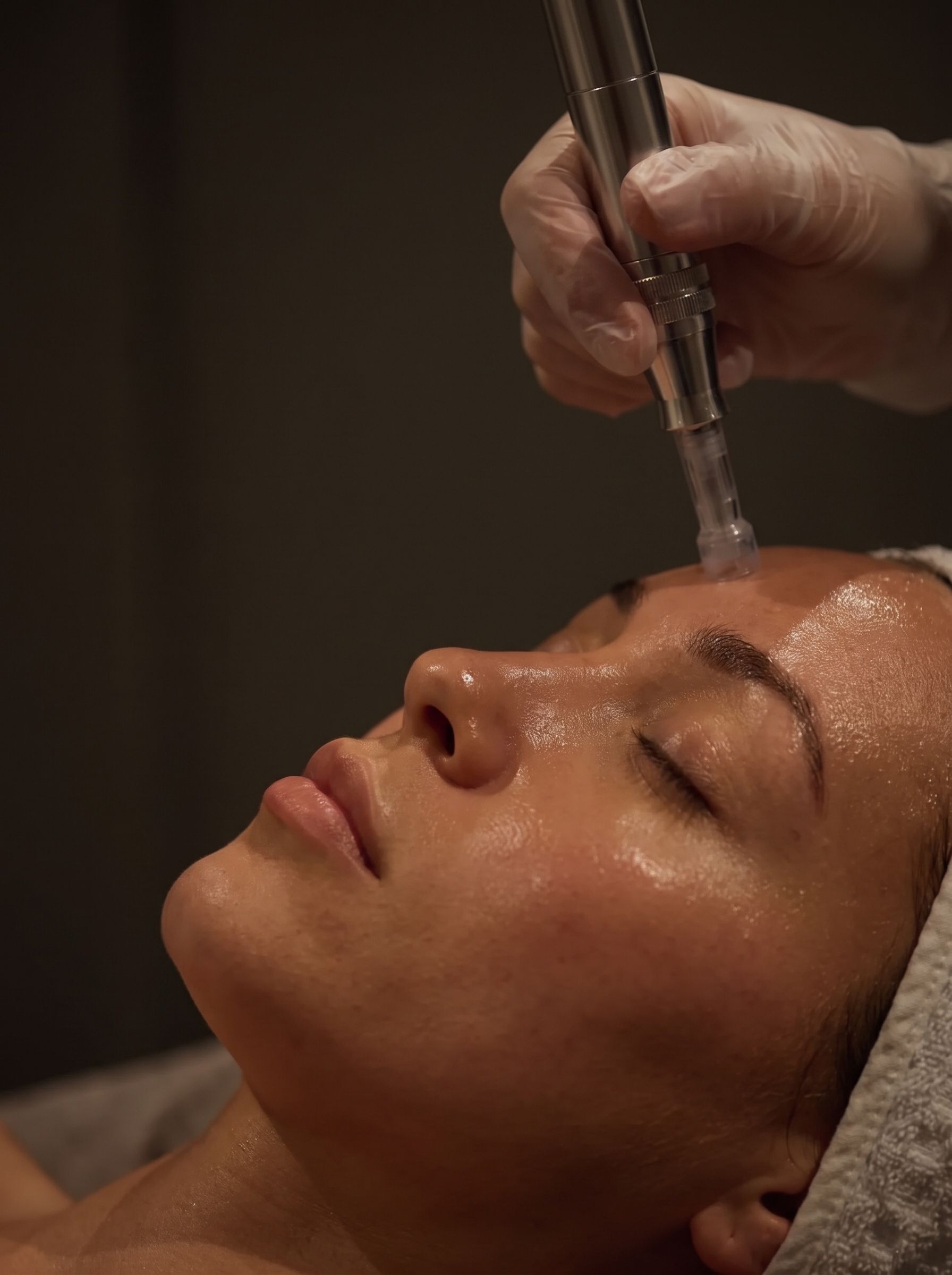
Laser
Laser Hair Removal
Face, underarms, arms, legs, bikini and beard line. Every course starts with a patch test, and the settings are picked for your skin tone rather than a factory preset.


 0+ patients treated
Derma Excellence helps you understand and care for your skin like never before. Get real medical advice and treatments that actually work.
Lasers, lifting, injectables, pigment and resurfacing are what most people come in asking for. Medical dermatology runs alongside them, covering acne, eczema, hair fall, moles and nail disease. Dr. Uzma examines your skin before anything is booked, and will say when a treatment is not worth your money.
Face, underarms, arms, legs, bikini and beard line. Every course starts with a patch test, and the settings are picked for your skin tone rather than a factory preset.
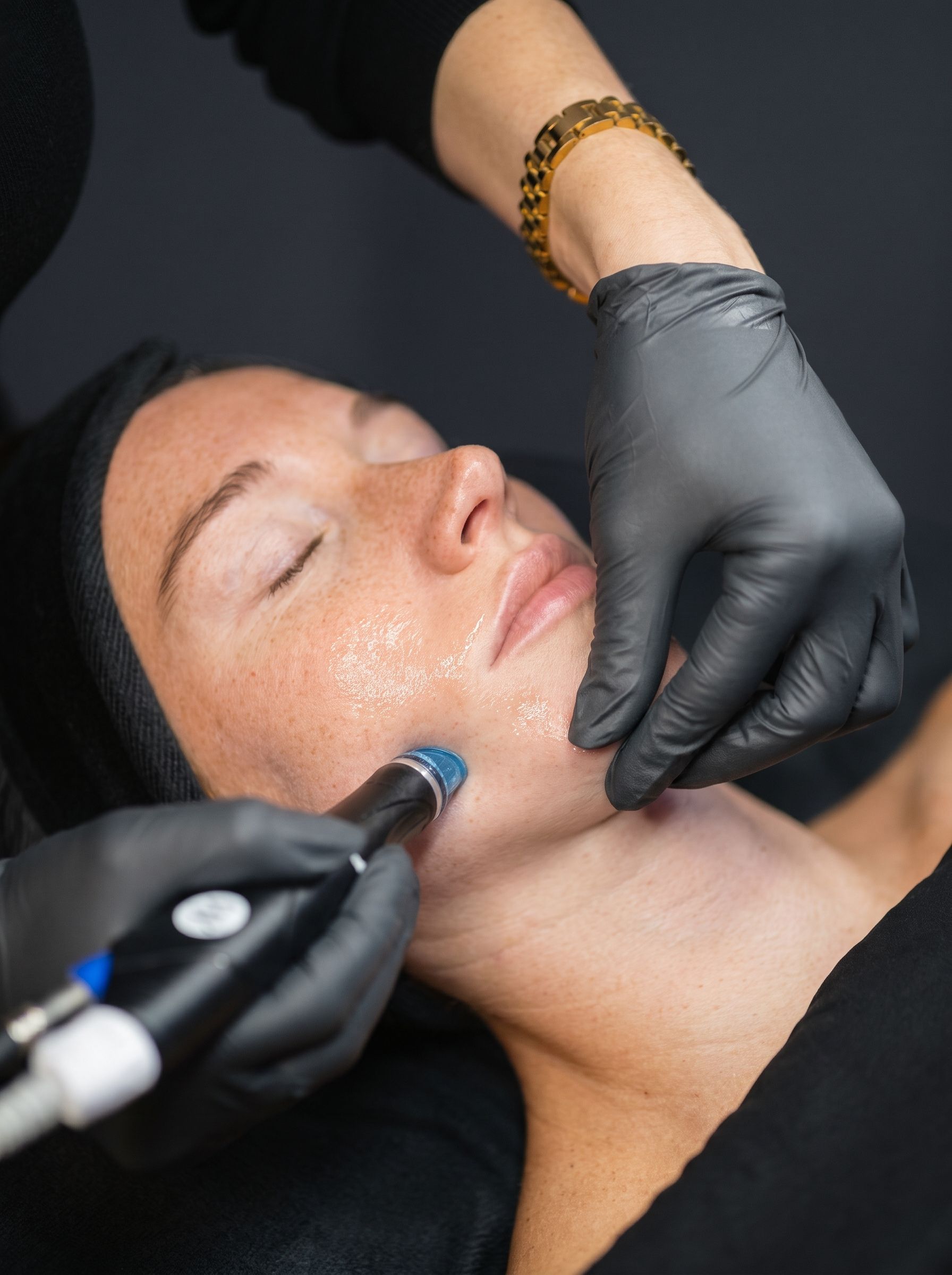
Cleanse, exfoliate, suction out congestion and flood the skin with serum, in an hour. No squeezing and no redness to hide afterwards — safe the same week as an event.
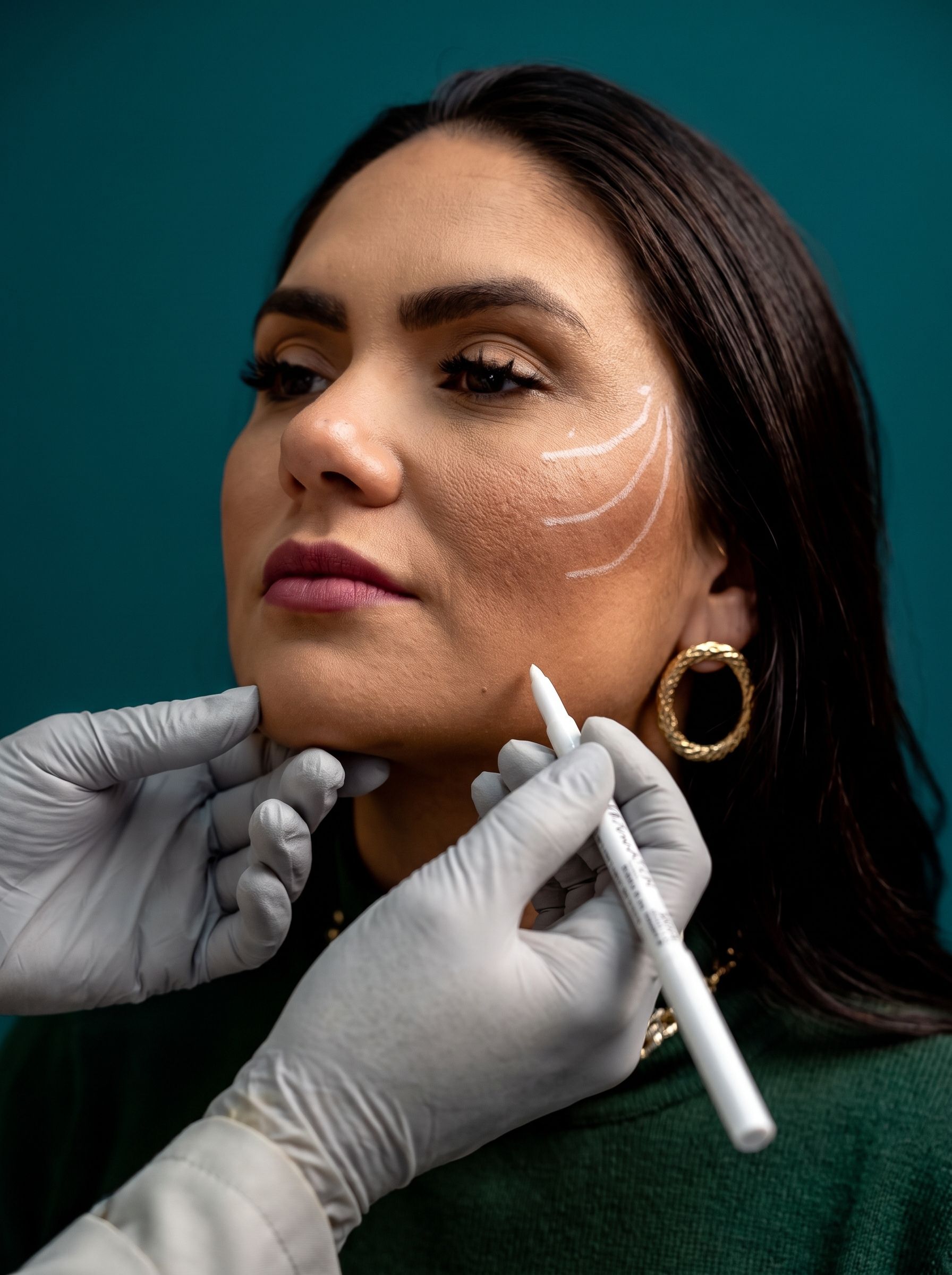
Dissolvable PDO threads lift cheeks and jowls, sharpen the jaw, smooth neck lines, straighten the nose bridge or raise a heavy brow. Part of the lift shows on the day.
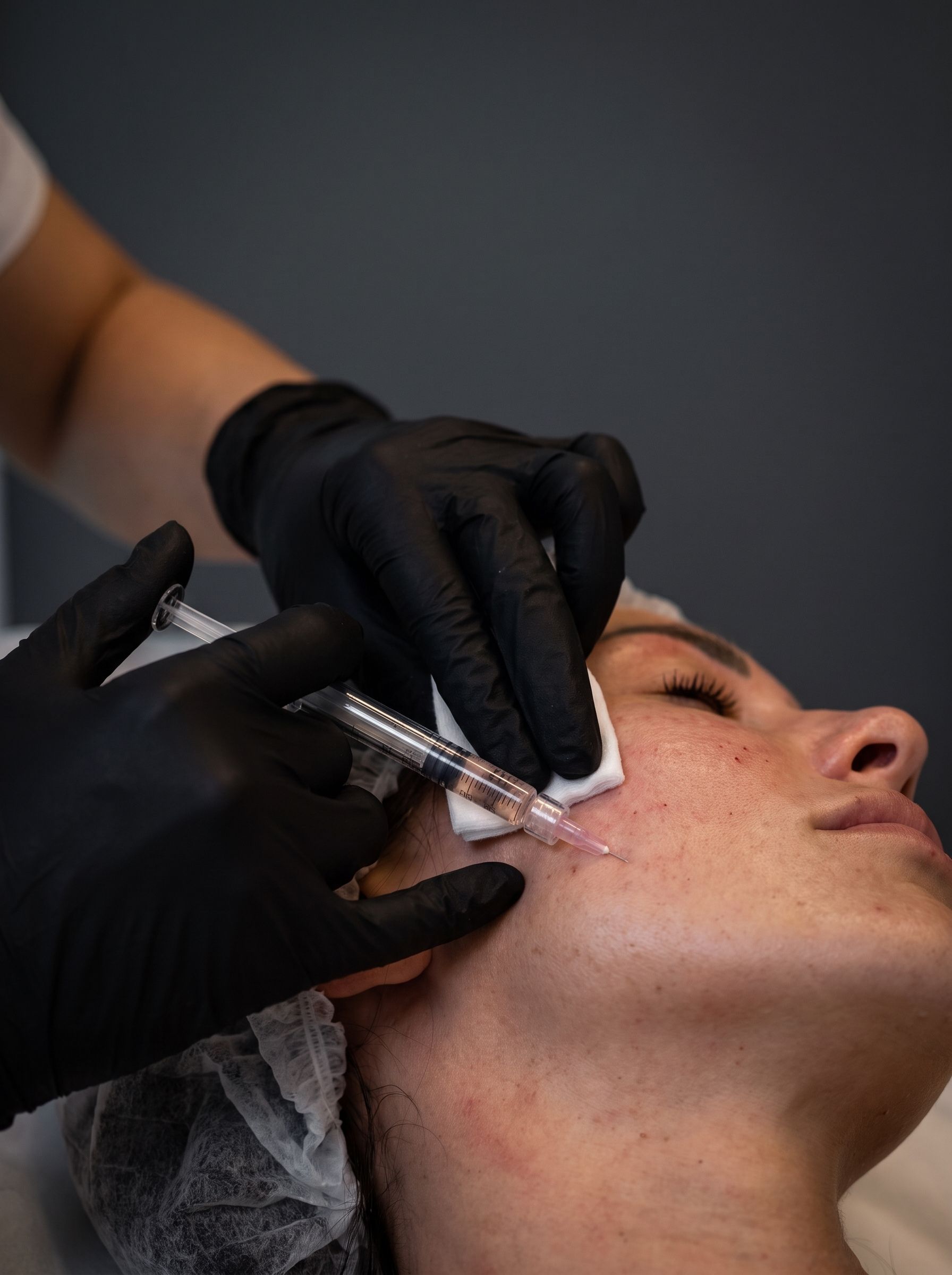
Brightening actives micro-injected into the exact layer where melasma and stubborn pigmentation sit, past the barrier that blunts every cream you have tried.
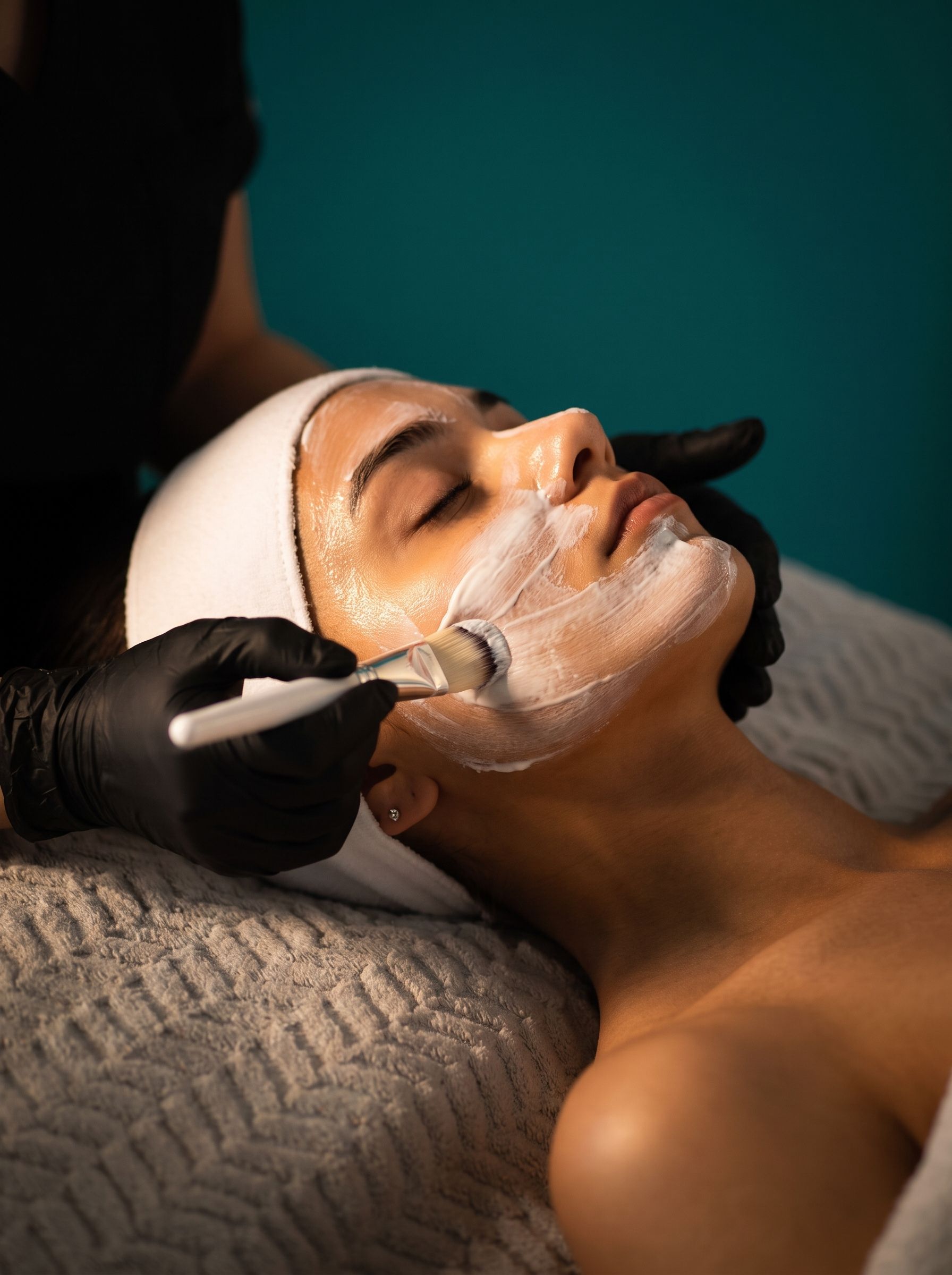
Medical-grade acids matched to the problem and to the downtime your week can absorb — post-acne marks, pigmentation, rough texture and dullness.
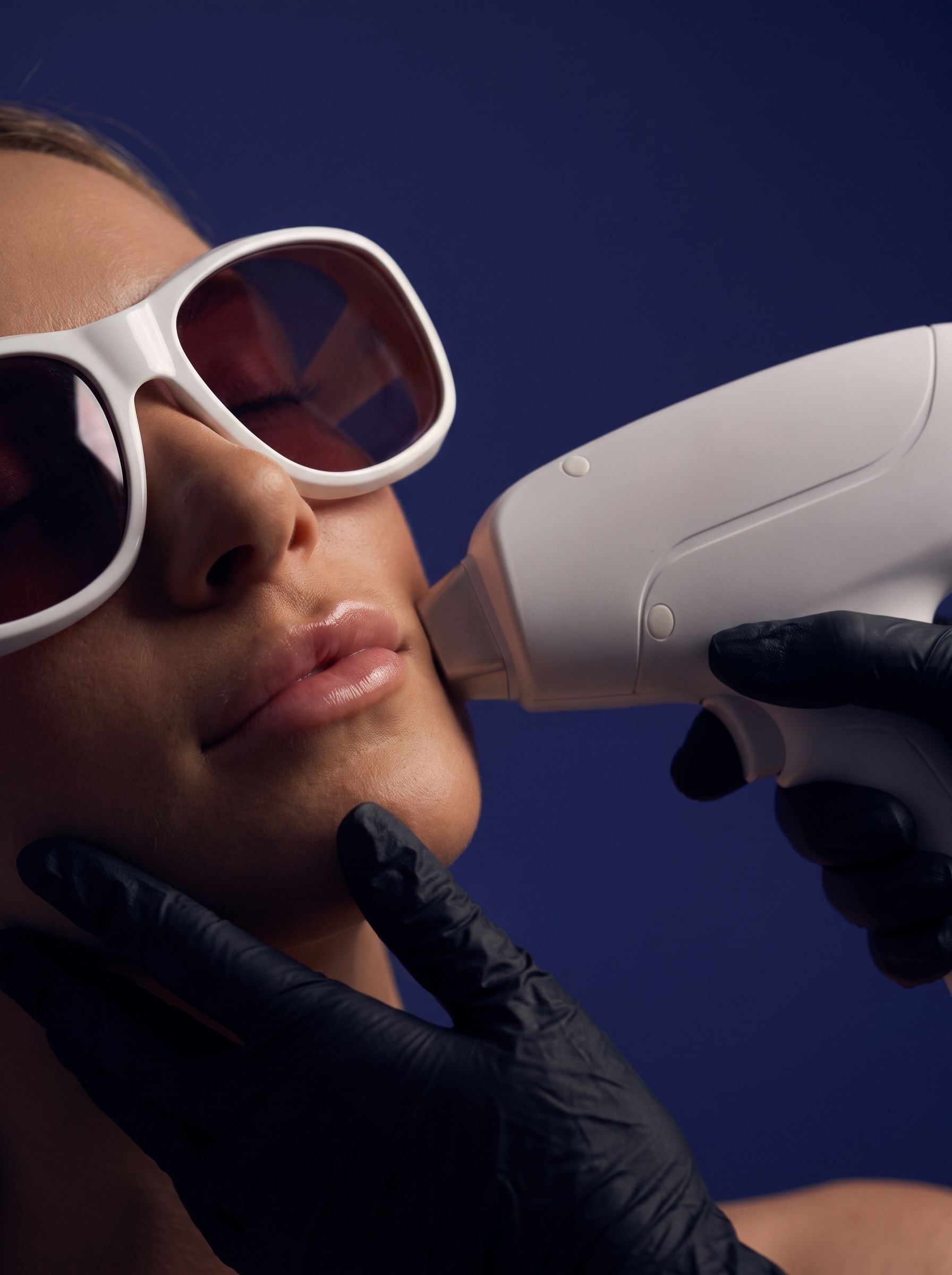
Ultrasound tightening for a soft jawline, double chin and brow. It reaches the layer a surgeon lifts, so the change comes from underneath rather than from the surface.
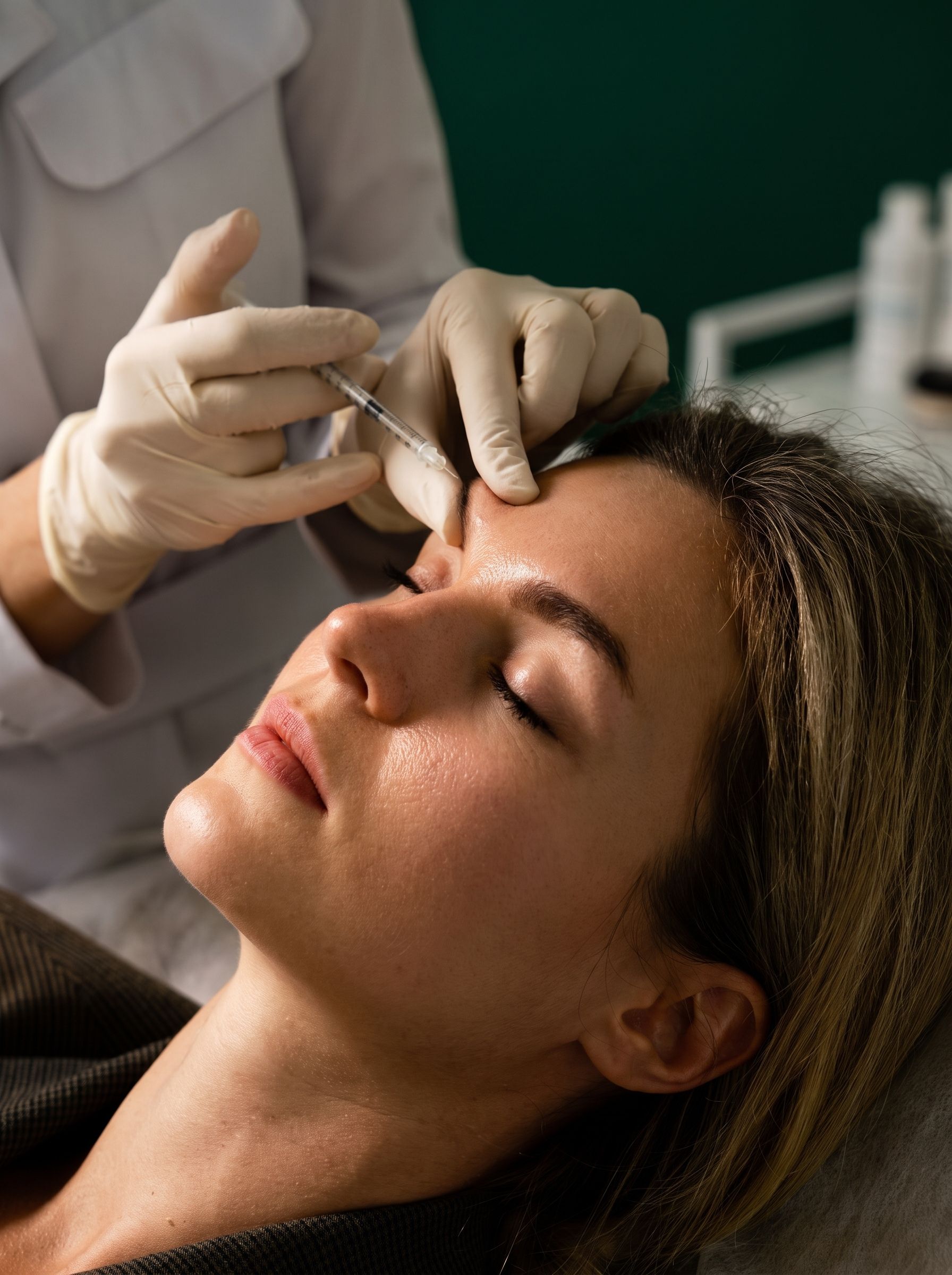
Forehead lines, frown lines, crow's feet and standing neck bands. Also the most reliable fix there is for excessive sweating of the palms, soles and underarms.
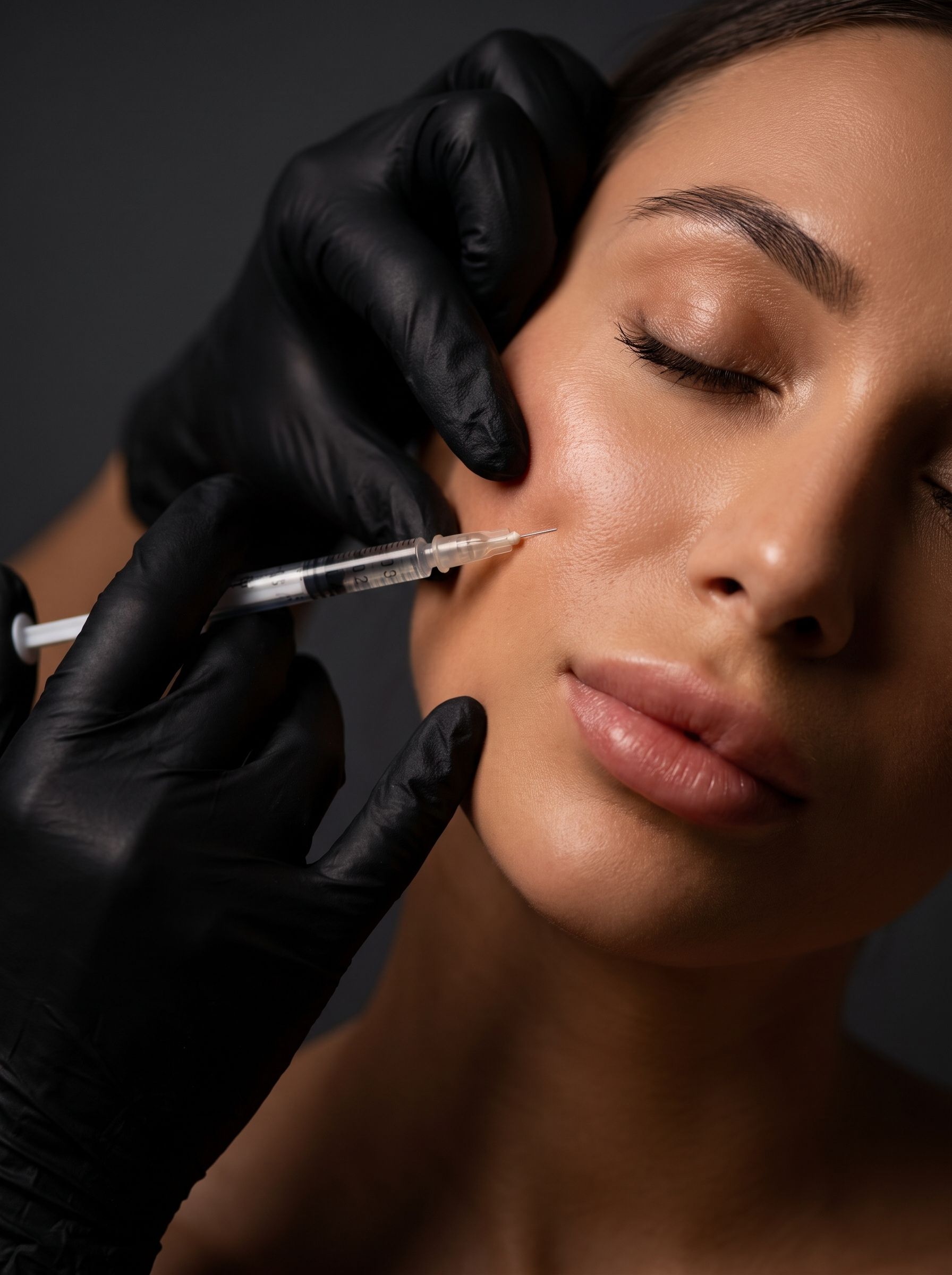
Hyaluronic acid put back where volume has flattened: mid-cheek, lips, and the hollow under-eye that reads as a permanent dark circle. Dissolvable if you change your mind.
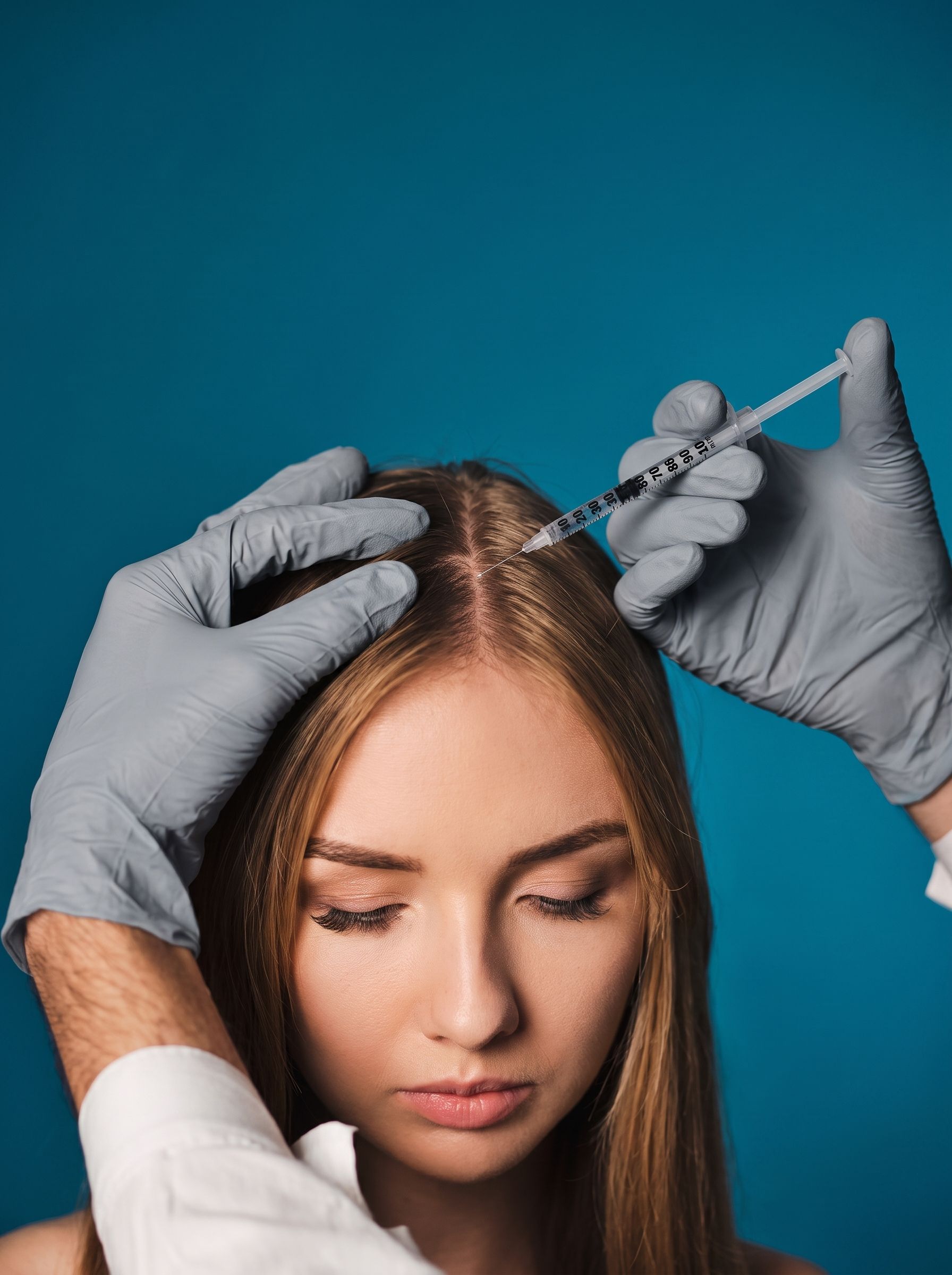
Platelets and growth factors concentrated from your own blood, then injected across a thinning scalp or into acne-scarred skin to restart repair. Bloodwork comes first.
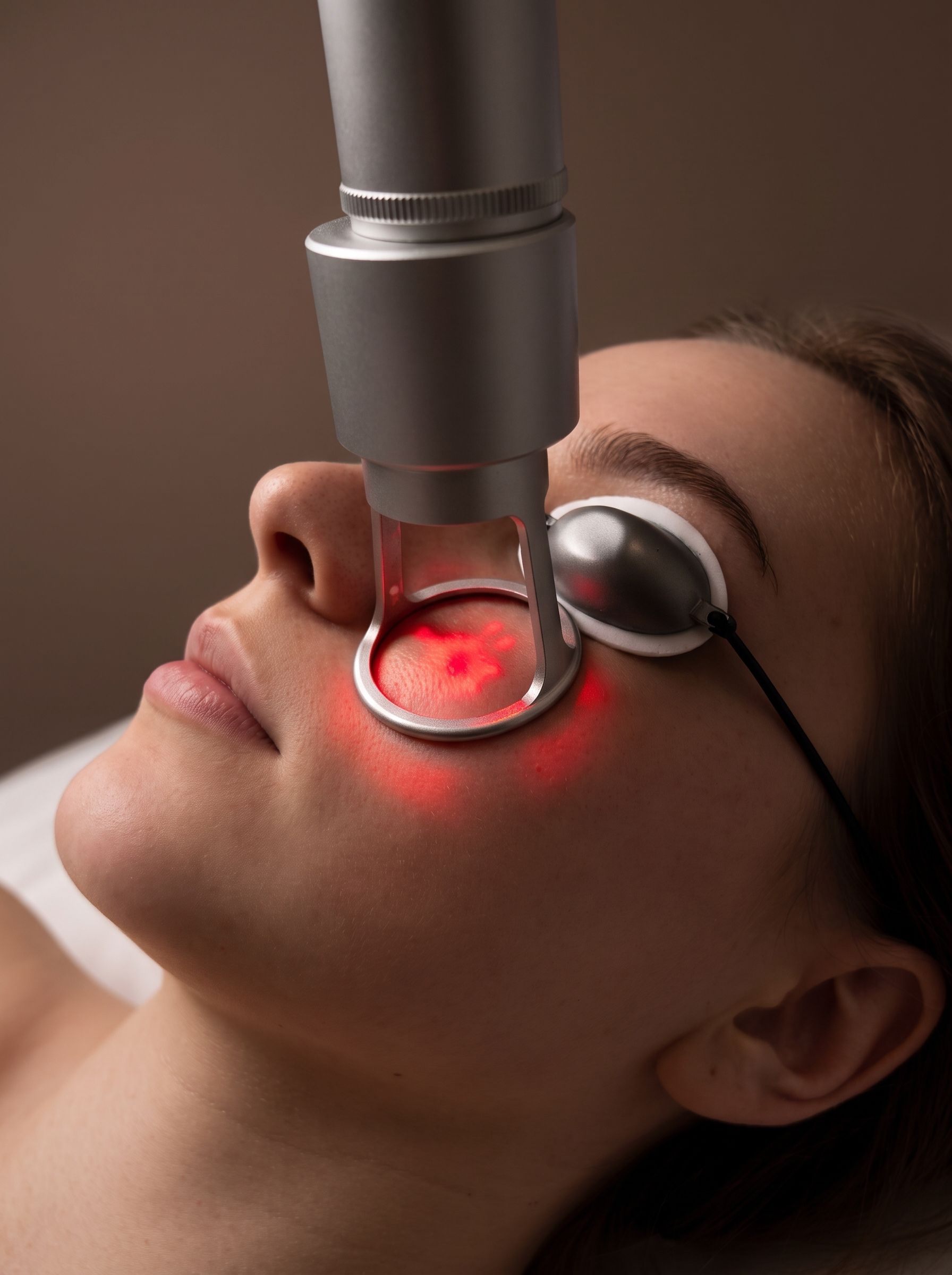
The strongest resurfacing here. Boxcar and icepick acne scars, open pores and crepey texture, treated in microscopic columns so the skin rebuilds around them.
The six treatments our patients ask for most. Open any card to see what it does, how many visits it takes and who it suits.
The laser only works on hair that is actively growing, so it takes 6 to 8 sessions a few weeks apart to catch every hair. What grows back is finer and lighter. If hormones such as PCOS are behind the hair growth, we check and treat that first.
One session cleans, exfoliates, clears blackheads and hydrates your skin. Nothing is squeezed, so there is no redness and you can book it the week of an event. Repeat every 4 to 6 weeks to keep the results.
Focused ultrasound tightens the deep layer under your skin and builds new collagen. It sharpens the jawline and reduces a double chin. It is not a replacement for surgery on heavy sagging, and we will tell you honestly if that applies to you.
Small doses relax the muscles behind forehead lines, frown lines and crow’s feet. You look fresh and rested, never frozen. We start low and add more at a follow up only if needed. It also treats heavy sweating of the underarms, palms and feet.
Hyaluronic acid filler restores volume to the cheeks, lips and under eye hollows. We add a little at a time so it looks natural. If you do not like the result, it can be dissolved in one visit.
Dissolvable threads are placed under the skin to lift the cheeks, jawline and brows. You see some lift straight away, and more over the next 6 weeks as new collagen forms. Best for mild to moderate sagging.
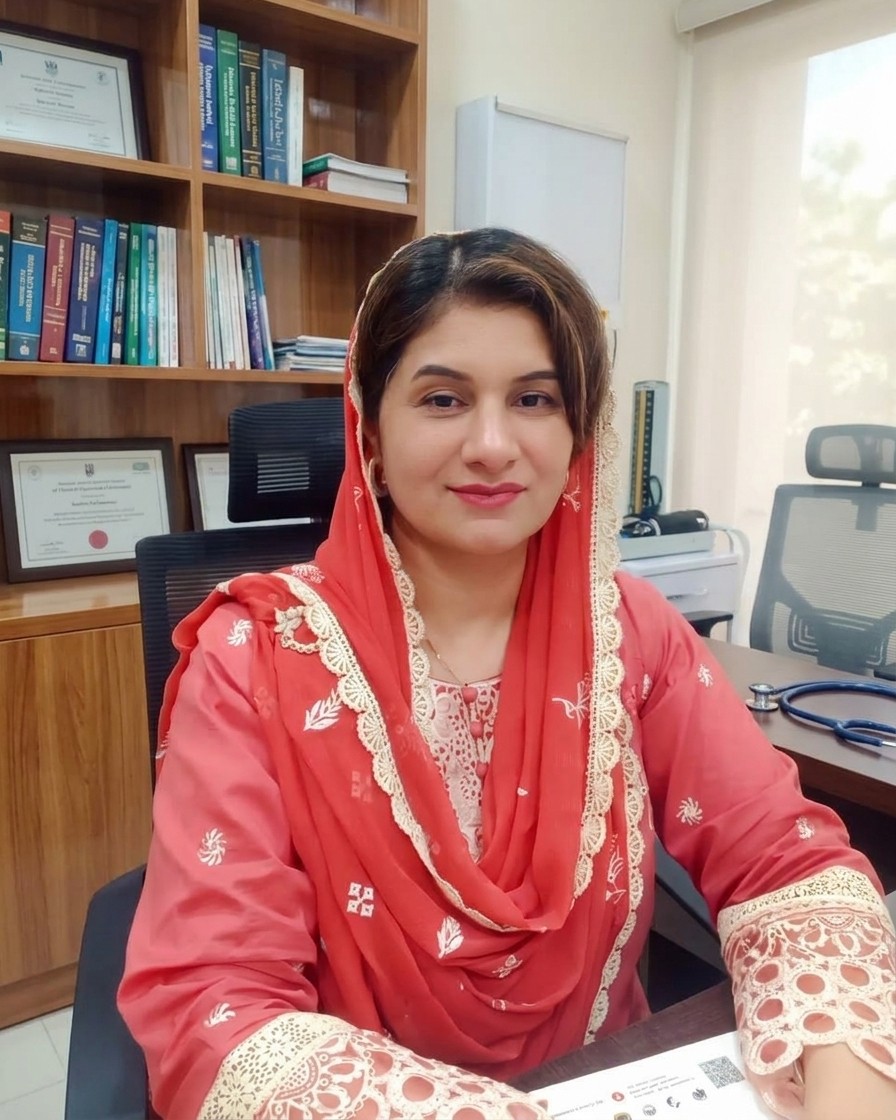
Dr. Uzma has practised and taught dermatology for over 18 years. She is a Fellow of the College of Physicians and Surgeons, an Associate Professor who trains the next generation of skin specialists, and certified in aesthetic medicine by the American Academy of Aesthetic Medicine, USA.
Her philosophy is simple. Diagnose properly, treat honestly, and enhance so gently that people notice you, not the work. Most new patients still arrive the same way, sent by someone whose skin we already care for.
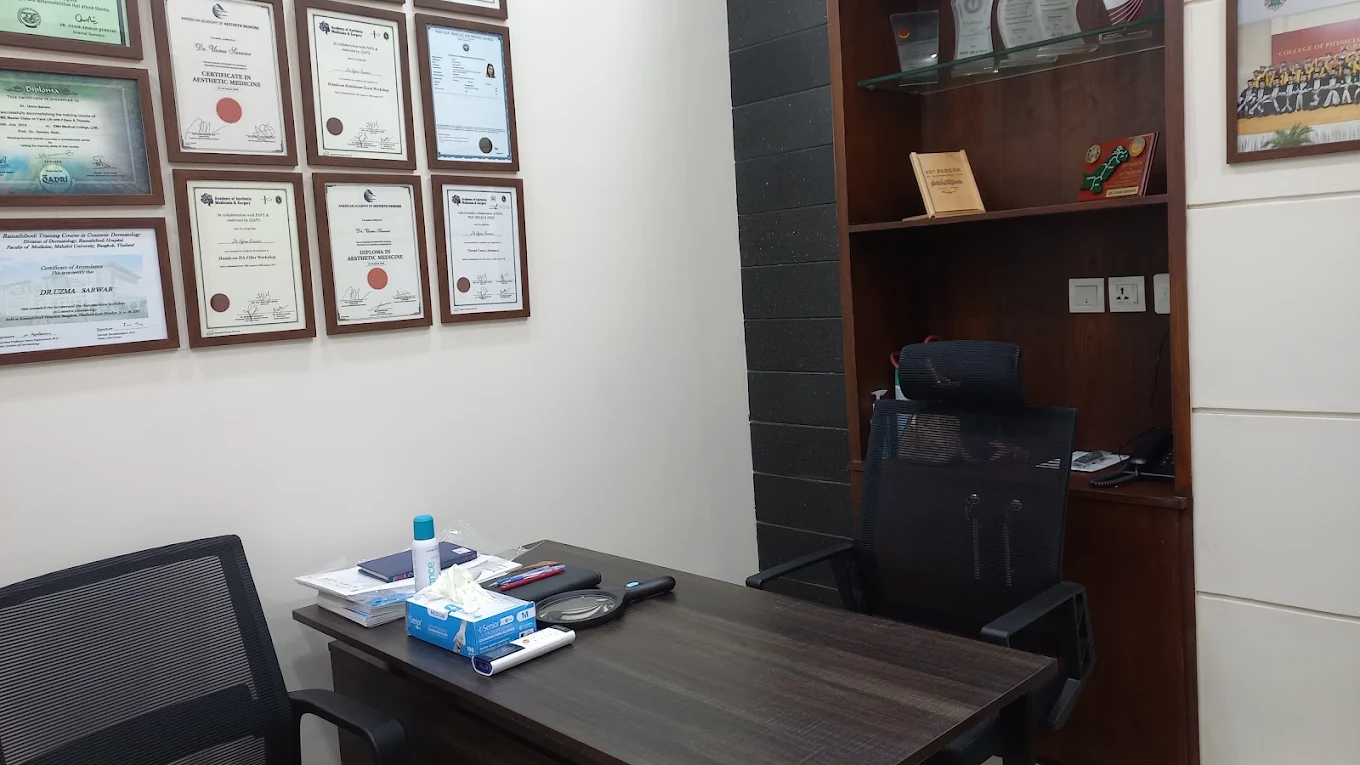
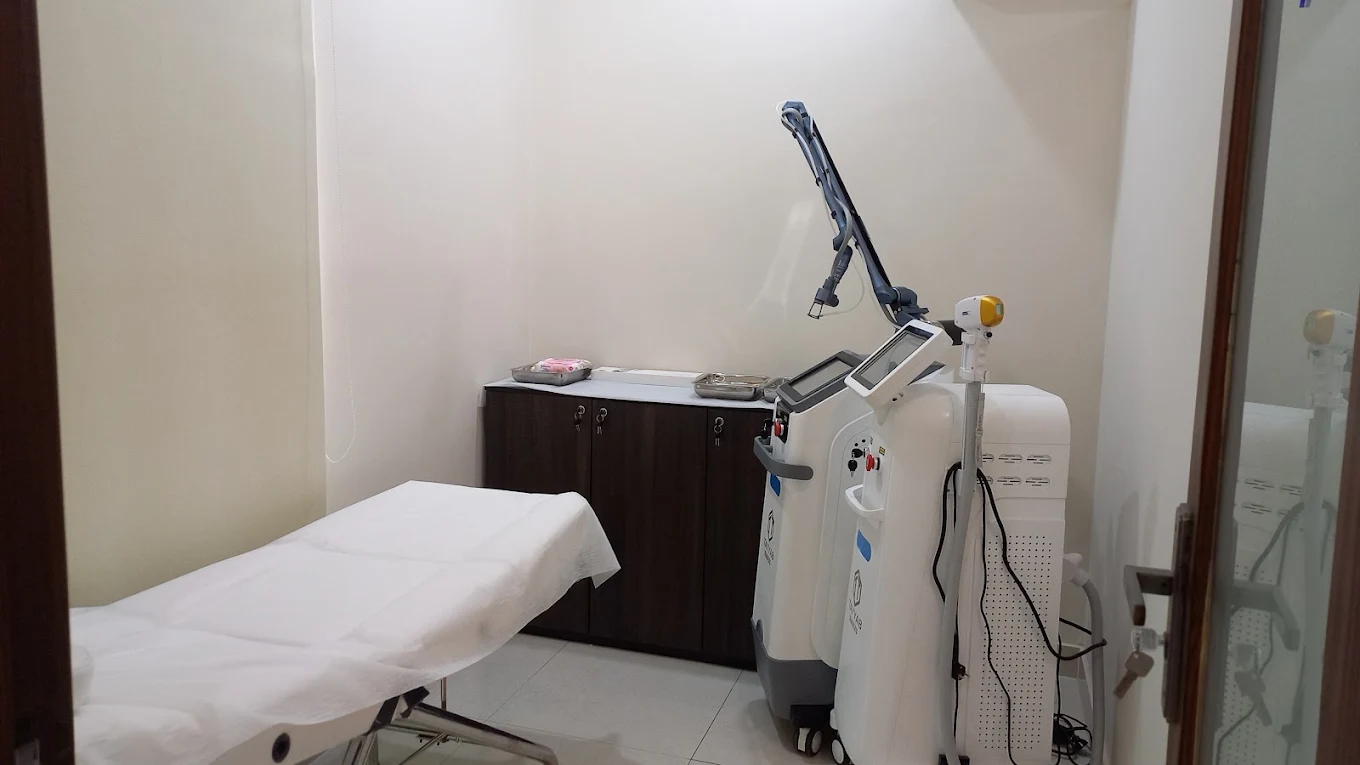
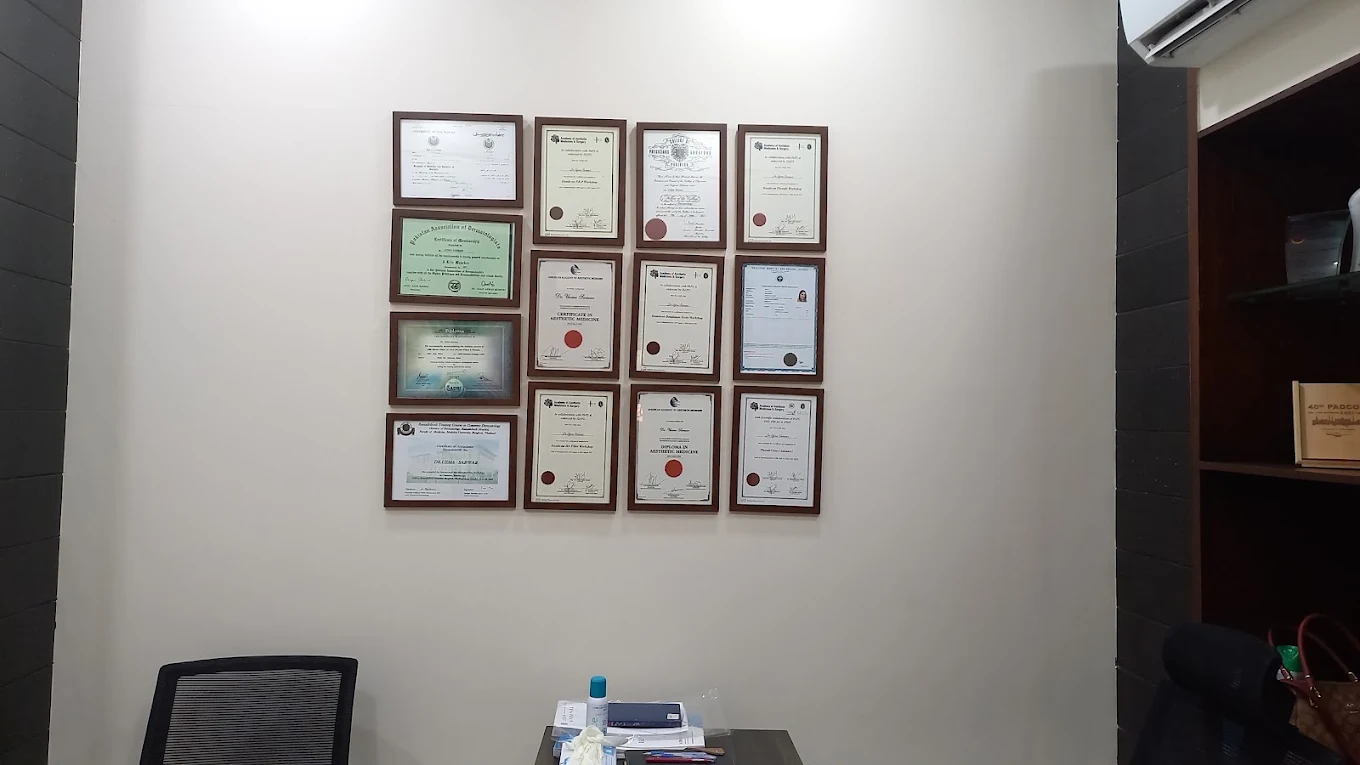
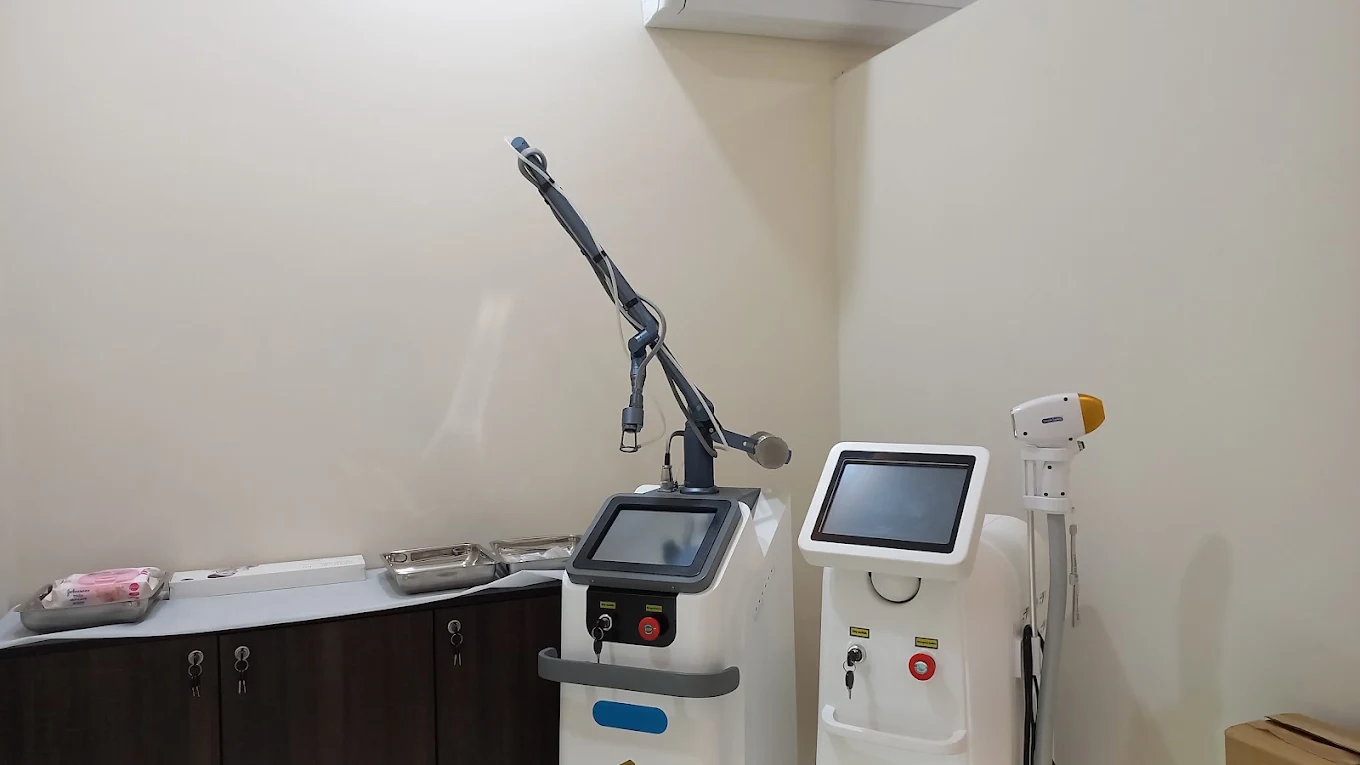
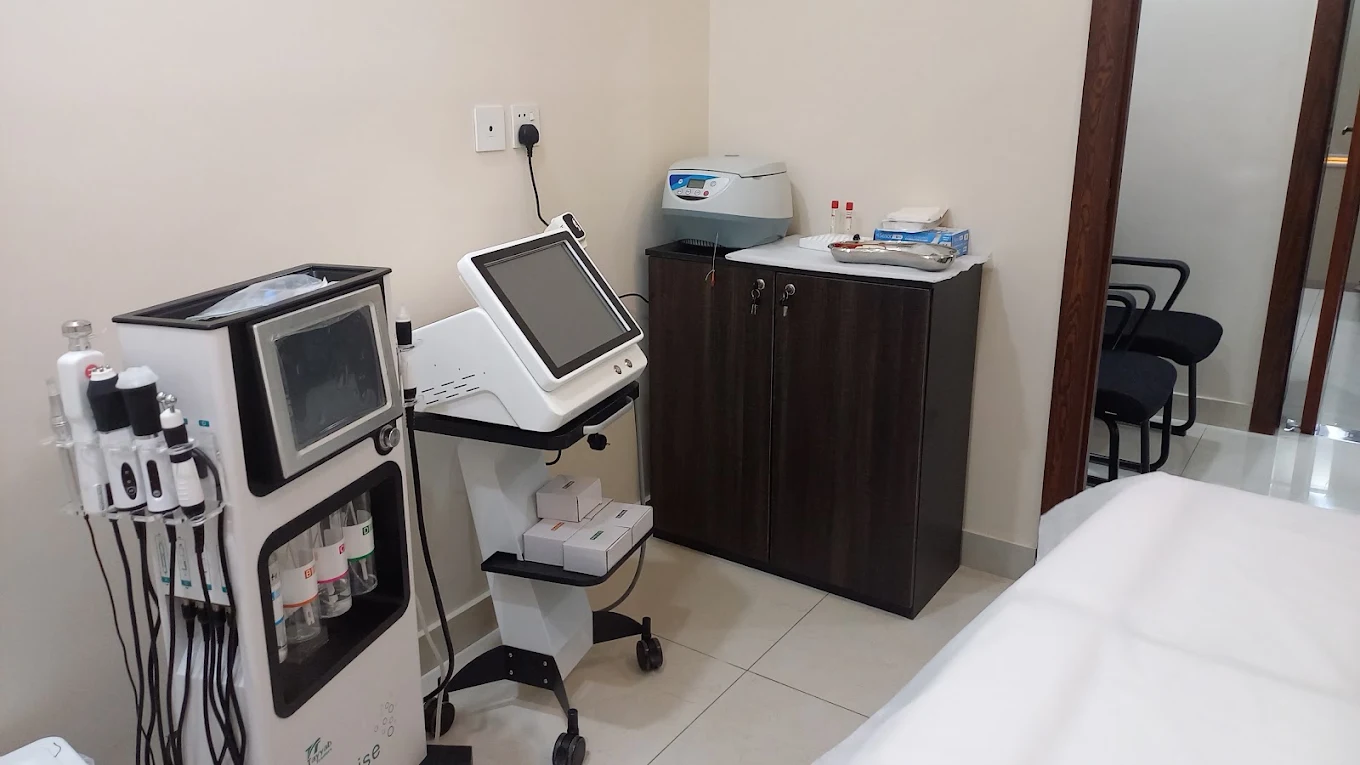
Four honest steps. You always know what is happening to your skin, what it costs, and why.
Dr. Uzma examines your skin, your history and your goals before anything is recommended. If you do not need a treatment, she will tell you so.
Treatments, sessions and exact prices, on paper before you commit. The plan we write is the plan you pay, with nothing added later.
Every procedure is performed or supervised by your dermatologist, using medical grade devices in a fully sterile clinic.
We track your progress with photos, adjust the plan when your skin needs it, and stay one message away between visits.
Based on 609 verified reviews on oladoc, with a 98% patient satisfaction score.
Straight answers on treatments, timelines and what a first visit actually involves, from the dermatologist who will be treating you.
The clinic covers both medical dermatology and aesthetics. On the medical side that means acne, acne scarring, melasma and pigmentation, eczema, psoriasis, vitiligo, fungal and bacterial skin infections, hair fall and alopecia, nail disease, warts, moles and skin tags. On the aesthetic side: HydraFacial, medical-grade chemical peels, carbon laser toning, microneedling and RF microneedling, fractional CO2 resurfacing, laser hair removal, anti-wrinkle injections, dermal fillers, skin boosters, mesotherapy, PRP and GFC for hair, and IV glow drips. Everything is done or supervised by Assoc. Prof. Dr. Uzma Sarwar.
The fastest route is WhatsApp on +92 333 4579246 — you can send photos of your concern and get a same-day reply during clinic hours. The clinic is at 2nd Floor, 28 A, Shadman 2, behind OMC Hospital, Lahore, open Monday to Saturday, 12pm to 8pm.
A first visit is a proper diagnostic appointment, not a sales pitch. Dr. Uzma examines the skin, takes a history covering medication, hormones, diet and previous treatments, and explains what is actually causing the problem. You leave with a written plan that separates what needs medical treatment from what is optional and cosmetic. If a concern needs nothing more than a corrected skincare routine, that is what you will be told.
Laser hair removal gives permanent hair reduction rather than total permanent removal. Most people need six to eight sessions spaced four to six weeks apart on the face, and six to eight weeks apart on the body, because the laser only affects follicles in their active growth phase. Coarse dark hair on lighter skin responds fastest. Hormonal conditions such as PCOS can slow results and may need maintenance sessions, which is why underlying causes get checked first.
A HydraFacial cleanses, exfoliates, extracts and hydrates in one session using a vortex tip rather than manual squeezing. There is no downtime, so it suits an event the same week. For general glow, once every four to six weeks tracks the skin's renewal cycle. For congestion and blackheads, a tighter run of sessions early on works better, then a maintenance interval.
Melasma is a chronic, relapsing condition, so the honest goal is control rather than a one-time cure. Treatment usually combines prescription topicals, strict daily broad-spectrum sunscreen, and gentle in-clinic work such as low-strength peels or laser toning. Aggressive lasers can make melasma worse, which is why the pattern gets diagnosed properly first. Lahore's sun exposure and heat make sunscreen and reapplication the single biggest factor in whether results hold.
Active acne and acne scarring are two different problems and are treated in that order. Active acne is managed medically — topicals, oral medication where indicated, and hormonal assessment where the pattern suggests it. Only once breakouts are controlled does scar work begin, because treating scars while acne is active wastes sessions. Scar treatment is matched to scar type: microneedling or RF microneedling for rolling scars, fractional CO2 for deeper boxcar and icepick scarring, subcision for tethered scars, and peels for post-acne marks.
Both are safe when the product is genuine, the dose is conservative and the injector knows the facial anatomy. Anti-wrinkle injections typically last three to four months; hyaluronic acid fillers last roughly six to eighteen months depending on the product and the area. Hyaluronic acid fillers can also be dissolved if you are unhappy with the result. The clinic's approach is deliberately understated — the aim is that nobody can tell you have had anything done.
Hair fall is a symptom, not a diagnosis. Assessment covers thyroid function, iron and vitamin D, hormonal causes such as PCOS, recent illness, and family pattern, because treating the wrong cause wastes months. Depending on the finding, treatment can include prescription topicals and oral medication, PRP or GFC sessions, mesotherapy, and correction of the underlying deficiency. Realistic timelines are three to six months before visible change.
It depends on depth. A superficial peel usually means two to three days of mild flaking and you can work through it. A medium-depth peel means around five to seven days of visible peeling. Fractional CO2 resurfacing is the most intensive option, with roughly five to seven days of redness and social downtime and strict sun avoidance afterwards. Downtime is agreed before booking so it can be planned around work or an event.
Yes. Common reasons men attend are acne and acne scarring, hair loss, laser hair removal for the beard line, back and chest, pigmentation, ingrown hairs and folliculitis, excessive sweating, and general skin health.
Both, and the medical side comes first. Conditions treated include eczema, psoriasis, vitiligo, urticaria, fungal and bacterial infections, rosacea, seborrheic dermatitis, nail disorders, and suspicious moles or lesions requiring assessment. Dr. Uzma is an Associate Professor of Dermatology, so complex and chronic cases are within scope rather than referred elsewhere.
Tell us what's on your mind. We'll book you with Assoc. Prof. Dr. Uzma Sarwar and build an honest plan from there.
Replies within clinic hours · Mon to Sat, 12pm to 8pm